.png)












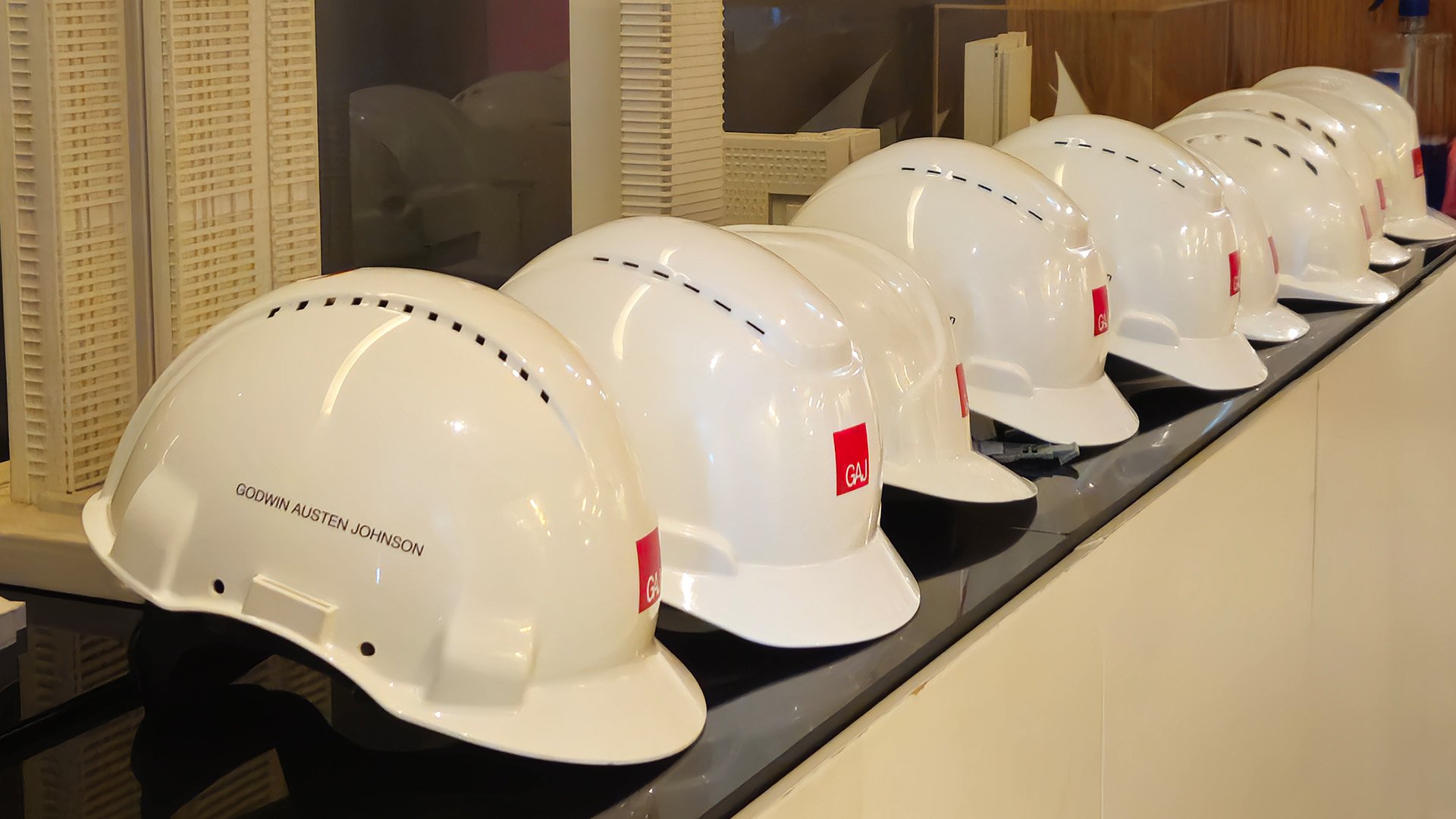
As Lead Design Consultant, GAJ is committed to meeting the occupational health, safety, and environmental sustainability needs of its employees and clients by providing responsive, appropriate strategies for the solutions it delivers. GAJ challenges workplace complacency and promotes excellence in the way its designers work and monitor construction activities, demonstrating leadership and commitment while complying with local statutory laws, regulations, and international standards.
Early design stage is significant and plays a crucial role for the Project to ensure Occupational Health, Safety, and Environment effectively implemented during design, construction and maintenance
Design-stage tools that make a difference
Two processes are particularly valuable at the beginning of a project:
 Risk analysis
During the design stage is to proactively identify, evaluate, and eliminate or reduce potential hazards before layout, process routes and project concepts which prevent expensive engineering rework, emergency fixes later in the project lifecycle
 Hazard identification
Hazard identification takes a broader view. It considers potential threats associated with site layout, surrounding infrastructure, environmental conditions and activities that may present higher levels of risk.
Common project risks
 Working at height
Unsafe provision of scaffolding structures, using damage and unsecure ladder, inadequate provision of personal fall arrest system. (High Risk of Fall)
 Lifting operations
Due to lifting failure and falling objects present critical workplace hazards that can lead to severe injuries, fatalities if not properly controlled.
 Electrical hazards
Improper electrical cable management, exposed wiring, damaged extension cords, and contact with underground or overhead power lines can cause severe shocks or electrocution.
 Slips, trips and falls
To uneven ground, trailing cables, wet surfaces, and cluttered walkways frequently cause day-to-day injuries.
 Hazardous substances and materials
Include hazardous chemicals and high-solvent adhesives exposes workers to long-term health issues.
 Moving objects and vehicles
Workers face high risks from reversing vehicles, swinging loads, falling tools and heavy machinery.
 Manual handling and ergonomics
Lifting heavy or awkward loads repeatedly leads to chronic back pain, joint strain, and upper limb disorders.
 Dust and airborne substances
Inhaling dust, painting fumes, or chemical vapors causes long-term lung diseases.
 Noise and vibration
Exposure to continuous loud equipment causes hearing loss, while vibrating hand power tools lead to Hand-Arm Vibration Syndrome (HAVS).
Safety Culture
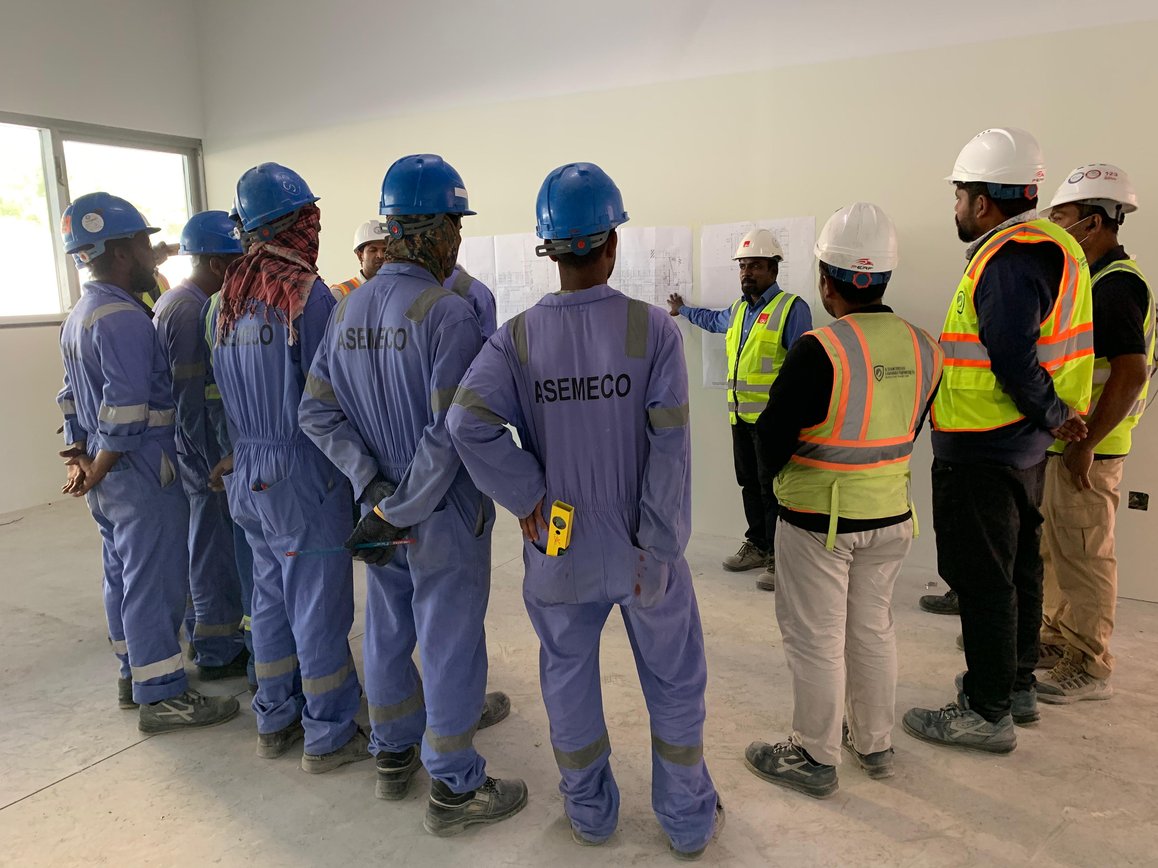
Promoting a strong safety culture means encouraging open communication, reporting near-misses, and recognising safe behaviour. A culture of care ensures everyone goes home safely every day.
Legal requirements
Strict compliance to legal and HSE requirements is a commitment to people's lives and well-being.
Lesson on management leadership and continual improvement
The lesson I learned as a safety practicioner is that risk at construction site cannot be eliminated rather you need to ensure that adequate mitigations, corrective and prev entive measures implemented so risk will be in an acceptable level.
Advice to architects
Architects’ earliest decisions fundamentally affect the Occupational Health, Safety and Environment of construction and operation activities. These decisions influence later design choices, and considerable work may be required if it is necessary to solve earlier decisions. It is therefore necessary to address health and safety from the very start.