










How understanding the way schools operate can lead to smarter engineering decisions, better building performance and more sustainable learning environments.

When we talk about sustainability in schools, the conversation often centres on energy efficiency, green building certifications and the latest technologies. While these are important, I believe sustainable design begins with something far more fundamental: understanding how a school works and how people use its spaces every day.
I recently had the opportunity to speak at the second edition of the Future Schools Summit, hosted by BNC Network, where I shared some of our experiences at Godwin Austen Johnson (GAJ) in integrating sustainability into educational environments through thoughtful engineering and practical design decisions. My presentation, "Embedding Sustainability Across the School Experience: Transforming Educational Spaces Through Smart Design", focused on a principle that continues to guide our approach: the most effective sustainable solutions are not always the most complicated. Sometimes, they begin with asking the right questions.
Designing Around How Spaces Are Actually Used
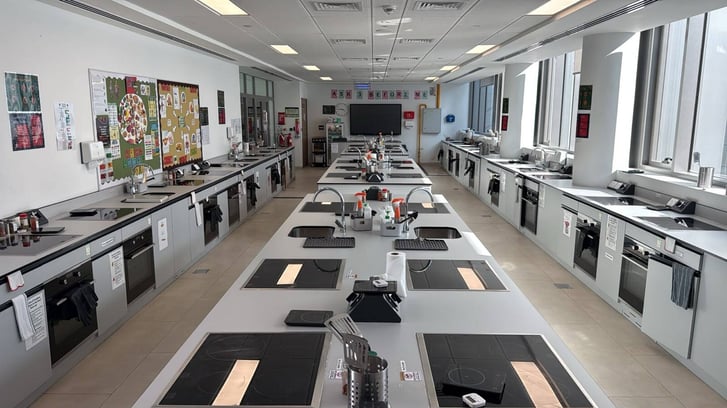
In specialised learning areas, such as Food Technology laboratories, electrical systems are often designed to accommodate the maximum possible load, assuming that every appliance operates at full capacity at the same time. However, actual classroom activities tell a different story. By discussing daily routines with teachers and laboratory staff during design stage, we found that students rarely use all four burners on a hob simultaneously.
This allowed us to introduce a simple interlock control at each cooking station. The approach helped reduce the peak electrical demand by approximately 65%, without affecting practical lessons or limiting students' learning experience.
It is a good example of how understanding real-life usage can lead to meaningful energy savings without compromising functionality.
Creating Comfortable Classrooms Through Better Lighting
Good classroom lighting is about making the space comfortable for students and teachers while supporting different teaching methods. We use daylight sensors to adjust artificial lighting according to the amount of natural light entering through windows and glazed facades. Occupancy sensors can also switch off lights and ceiling fans when classrooms are not in use. In addition, we pay particular attention to interactive smartboards, where light positioned smart board can cause glare for student from different angle and make screens difficult to view. By creating separate lighting zones, teachers can switch off lights directly in front of the board while keeping the rest of the classroom illuminated. Manual controls provide additional flexibility when required.
These small but thoughtful decisions improve the classroom experience while helping to reduce unnecessary energy consumption.
Making School Technology Work Smarter
Modern schools depend on technology for security, communication and student management. However, installing a separate device for every function can lead to additional equipment, wiring, maintenance and visual clutter. Where technically feasible and permitted by the relevant authorities, we explore opportunities to integrate multiple functions into a coordinated technology platform. For example, AI-enabled camera systems can support classroom monitoring, recording, attendance management, skin temperature sensing, FLS evacuation assembly check and integration with other school systems, subject to privacy requirements and the school's operational needs.
Integrating compatible functions can reduce the number of individual devices required, simplify cabling and maintenance, and help make better use of the school's technology infrastructure. The objective is not simply to add more technology, but to ensure that every system serves a clear purpose and contributes to a more efficient learning environment.
Improving Cooling Efficiency and Making Better Use of Water
Cooling is one of the major contributors to a school's energy consumption. Choosing the right equipment and ensuring that it operates efficiently are therefore essential parts of sustainable design.
For central cooling systems, magnetic-bearing water cooled chillers offers high efficiency, low noise and reduced mechanical friction. Their performance at part load can be particularly beneficial in schools, where occupancy and cooling demand vary throughout the day, during weekends and across academic holidays.
Water conservation is equally important. Where the treatment process and water quality are suitable, greywater recovery systems can reuse treated wastewater for applications such as landscape irrigation and cooling tower make-up. This reduces the demand for fresh water and supports more responsible use of resources.
Together, these strategies help schools manage their operating costs while reducing their environmental footprint.
Rethinking Cooling in High-Ceiling Spaces
Arcadia Global School
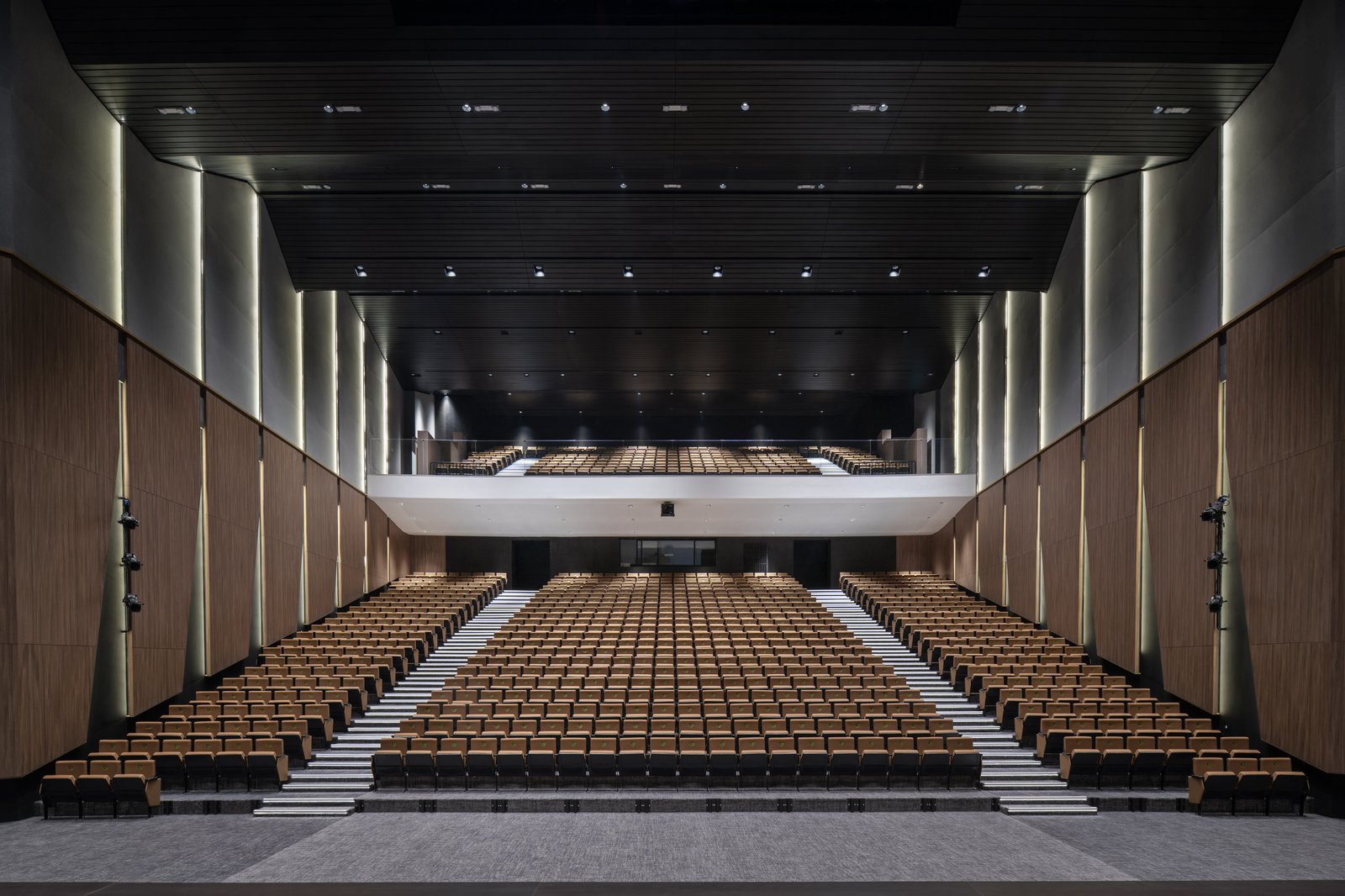
School auditoriums and other high-ceiling spaces like present a particular challenge for air-conditioning design. Cooling the entire volume of a hall highs can consume significant energy, even though occupants are concentrated in the seating area.
Underfloor air-conditioning offers an alternative approach where the building layout and project requirements permit its use. Conditioned air is supplied at a low level, only to the occupied zone, rather than relying entirely on conventional overhead air distribution.
With a properly designed system, air distribution can better match the needs of the people using the space. Zoning, temperature monitoring and indoor air quality sensors can further support efficient operation by helping the system respond to actual occupancy and conditions.
The key is to design the air distribution system around how the space is used, rather than treating the entire Auditorium as one uniform environment.
Delivering Sustainable Projects Within Active School Campuses
Sustainability is not limited to the finished building. The way a project is delivered also makes a difference. When construction takes place within or next to an operating school, protecting students and minimising disruption are top priorities. Noisy activities, major deliveries and planned utility interruptions must be carefully coordinated around the academic timetable.
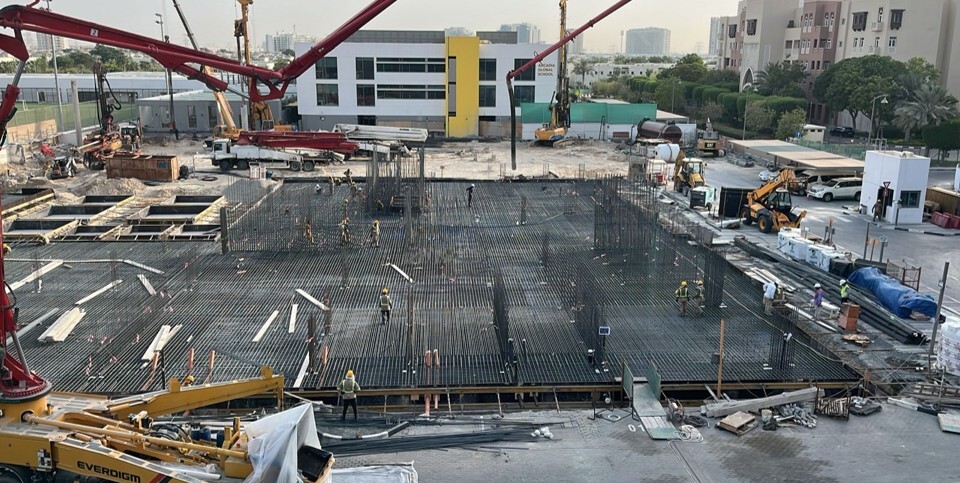
We also place importance on resolving coordination issues before work reaches the site. Off-site mock-ups, early testing and first-in-place inspections help identify potential problems before they become costly rework. And we schedule the daily construction works based on schools operation time and shut downs are scheduled after school hour or during holidays and re connected before school reopens. This approach helps reduce material waste, avoid unnecessary delays and maintain progress towards the school's planned opening date, while allowing the school to continue its daily activities as smoothly as possible.
Better Schools Begin with Better Decisions
Reflecting on the discussions at the Future Schools Summit, one message stands out to me: sustainability is not achieved through a single technology, system or certification. Sustainable school design is ultimately about making the right decisions at every stage, from understanding how classrooms are used to selecting efficient systems and planning construction carefully.
We believe that meaningful results come from collaboration, practical thinking and a clear understanding of the people who use our buildings. By reducing demand before increasing capacity, integrating technology thoughtfully and considering the entire building lifecycle, we can create educational environments that are more efficient and comfortable. Most importantly, a well-designed school can do more than support learning. It can demonstrate sustainability in practice, helping students understand its value through the spaces they use every day.
LEED Certified Projects